
Relationships have always been the foundation of financial advice. But in an industry that's becoming increasingly digital, transactional, and technology-driven, the firms that continue to grow aren't replacing relationships, they're strengthening them.
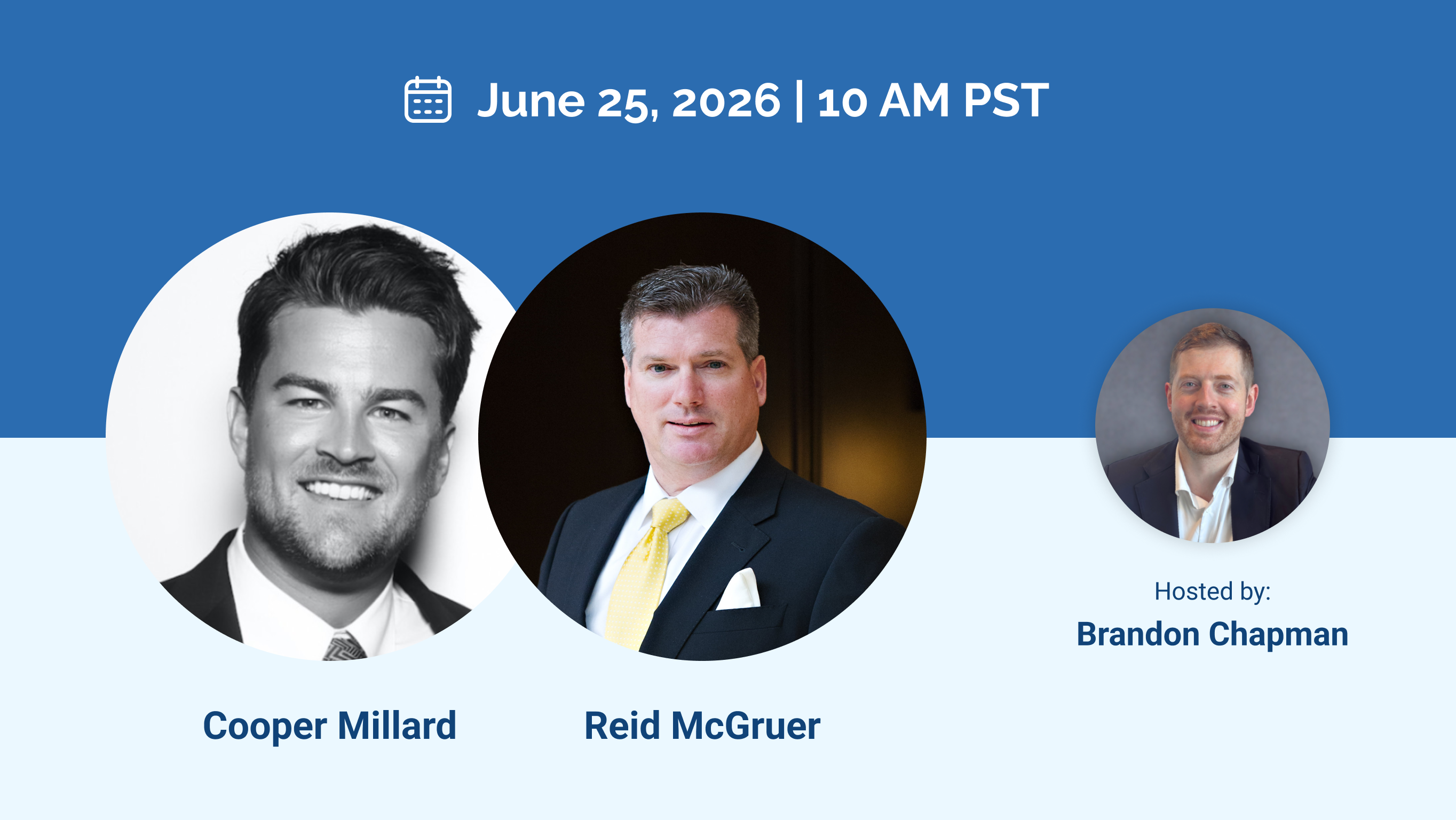
We sat down with Reid McGruer (President of McGruer Wealth and Estate Planning Group) and Cooper Millard (Director, Advisor Relations at The Gryphin Advantage Inc.) to discuss how intentional community building helps advisors earn trust, strengthen client relationships, retain talent, and build businesses that last.
In this webinar, you'll learn what community actually looks like inside advisory firms, how leaders can foster it, and why it may become one of the industry's biggest competitive advantages over the next decade.
What Does "Community" Actually Mean in an Advisory Business?
Community isn't simply attending industry events or hosting client appreciation nights. It's the network of relationships advisors build every day, with clients, colleagues, MGAs, and dealer groups.
As Reid explains, financial advice has always been a relationship business. Clients choose advisors they like and trust, and that trust is built through professionalism, consistency, and a genuine willingness to help.
How Has Community Building Changed for Advisors?
While relationships remain the same, the way they're built has changed.
Traditional gatherings have become less frequent, while digital communication has become the norm. Advisors have more ways to stay connected, but also more opportunities to become transactional.
Cooper emphasizes that strong relationships aren't built through occasional events or polished social media posts. They're built through consistent, valuable interactions over time.
Rather than entering communities looking for business, advisors should focus on contributing first. Whether through industry associations, volunteer work, local organizations, or existing client networks, the goal is to connect people and add value. The business opportunities naturally follow.
How Do Strong Communities Actually Grow?
One of the biggest themes throughout the discussion was intentionality.
Successful communities don't happen by accident, they're built consistently.
At Vancouver Georgia, Reid described how his team hosted quarterly events for advisors, staff, spouses, and families, creating experiences that strengthened relationships and built a culture people genuinely wanted to be part of.
Leadership also led by example. Whether hosting dinners, volunteering, organizing events, or even dressing up as Santa, they participated alongside everyone else instead of simply sponsoring activities.
How Does Community Translate Into Business Growth?
Community isn't separate from business growth, it drives it.
Firms that encourage collaboration create environments where advisors share ideas, mentor newer professionals, and help solve client challenges together. That culture leads to stronger retention, higher engagement, and better long-term development.
Rather than forcing identical career paths, successful organizations recognize individual strengths and help people find the roles where they can contribute most effectively. When people feel valued and connected to a larger purpose, they're far more likely to stay and grow.
How Can Advisors Build Community While Running Busy Practices?
Building community doesn't require large events or major marketing initiatives.
Some of the strongest examples shared during the webinar were simple touchpoints built into an advisor's everyday workflow:
- Keep detailed CRM notes about family milestones, hobbies, and important life events.
- Update client information through genuine conversations rather than administrative requests.
- Stay engaged with clients' social media to celebrate graduations, retirements, and other milestones.
- Empower staff to play an active role in relationship management.
These small interactions demonstrate genuine care while making advisors more memorable, more referable, and ultimately more valuable to the families they serve.
What Will the Most Successful Advisory Firms Look Like in the Next 5–10 Years?
Technology will continue transforming advisory firms through AI, automation, virtual meetings, and digital workflows.
But neither speaker believes technology will replace relationships.
Instead, the firms that succeed will combine technology with intentional human connection by:
- Using technology to improve efficiency, not replace relationships.
- Investing in culture and leadership.
- Creating systems that encourage collaboration.
- Building trust through consistent communication and meaningful experiences.
- Staying focused on helping people rather than simply processing transactions.
As Cooper notes, advisors who continue operating as they always have risk falling behind, not because technology replaces them, but because strong relationships become an even greater differentiator.
Recognition is a Key Part of Culture
Reid argued that recognition is often more meaningful than money, and that people remember being appreciated throughout their careers. Celebrating achievements, big or small, helps people feel valued, reinforces your firm's culture, and encourages them to continue contributing.
Together, these shared experiences and moments of recognition built loyalty that couldn't be replicated through compensation or formal recognition programs alone.
AdvisorFlow Community Forms: Sharing Best Practices Across the Industry
The webinar also introduced a soft launch of AdvisorFlow Community Forms, a new initiative designed to help advisors share proven client workflows and practice management resources.
The goal is simple: capture the practical knowledge advisors develop every day before it's lost.
From client discovery questionnaires to planning templates and field underwriting forms, Community Forms enables advisors to share proven processes while strengthening collaboration across the Canadian advisory profession.
AdvisorFlow is a digital software for financial advisors to simplify data gathering and enhance the client onboarding experience. Register today to digitize and streamline your practice.
Please contact us with any feedback or suggestions for topics you would like us to discuss at future events.


